Anxiety and Drug Addiction Treatment: A Complete Guide

Call Atlas Behavioral Health Now For Experiential Therapy

Call today and talk to our team.

Anxiety and drug addiction often go hand in hand. Many people who struggle with anxiety may turn to drugs for relief. Others may develop anxiety as a result of substance use. This cycle can feel overwhelming and hard to break.

The good news is that help is available. People can feel less worried and get better from drug problems. This guide will explain how worry and drug use are connected, show ways to get help, and share tips to stay healthy.

Understanding Anxiety and Drug Addiction

Anxiety is more than normal stress. It can make people worry a lot, think fast, and feel their heart beat quickly. About 3 out of 10 adults in the U.S. have anxiety at some time, says the National Institute of Mental Health.

Drug addiction is a long-term problem in the brain. It can make people really want drugs and lose control. About 2 out of 10 people with anxiety also have problems with drugs or alcohol, says the National Institute on Drug Abuse.

This overlap is called a “co-occurring disorder.” It means both conditions feed into each other. For example:

  • A person with anxiety might use drugs to feel calm.
  • Over time, drug use can increase anxiety symptoms.
  • This cycle makes both conditions worse if left untreated.

Why Treating Both Conditions Matters

When anxiety and addiction occur together, treating only one does not work. If someone only treats addiction, anxiety may return and trigger relapse. If they only treat anxiety, drug use may continue and undo progress.

The best way is called integrated treatment. This means treating both anxiety and addiction at the same time. Research shows people do better long-term when both are treated together.

Treatment Options for Anxiety and Drug Addiction

Therapy and Counseling

Therapy is a powerful tool. Different approaches can help people manage anxiety and overcome addiction:

  • Cognitive Behavioral Therapy (CBT): Helps people see bad thoughts and turn them into healthier ones. It is a well-studied therapy for anxiety and addiction.
  • Dialectical Behavior Therapy (DBT): Helps people control emotions and develop coping skills. It is especially useful for people who act impulsively.
  • Group Therapy: Offers support from peers who face similar struggles. Sharing experiences can reduce shame and build hope.

The American Psychological Association says CBT helps about 6 out of 10 people with anxiety feel much better.

Medication Support

Medication can ease symptoms of anxiety and support recovery. Doctors may prescribe:

  • Antidepressants: These help balance brain chemicals linked to mood and anxiety.
  • Anti-anxiety medications: Used carefully, since some can be addictive.
  • Medication-assisted treatment (MAT): For drug addiction, MAT combines medications like buprenorphine or methadone with therapy.

Medication is most effective when combined with counseling. It is not a quick fix, but it helps create stability for recovery.

Lifestyle and Self-Care Changes

Healthy habits can reduce anxiety and support addiction recovery. Some proven strategies include:

  • Exercise: Regular physical activity reduces stress and improves mood. Even a 30-minute walk can help.
  • Sleep: Getting 7–9 hours of rest supports brain health. Poor sleep makes anxiety and cravings worse.
  • Mindfulness and relaxation: Deep breathing, yoga, and meditation can calm the mind.
  • Healthy eating: Balanced nutrition improves energy and focus during recovery.

Support Systems

Recovery is not something people do alone. Strong support makes a huge difference. This support can come from:

  • Family and friends who provide encouragement.
  • Support groups like Narcotics Anonymous (NA) or SMART Recovery.
  • Community programs that connect people to resources and mentors.

Support systems reduce isolation, which is a common trigger for both anxiety and relapse.

Steps to Begin Recovery

Starting treatment can feel scary. Breaking it into steps can make it easier:

  1. Acknowledge the problem: The first step is to see how anxiety and addiction are connected.
  2. Seek professional help: A doctor, counselor, or treatment center can create a plan.
  3. Create a safe environment: Remove triggers and surround yourself with positive support.
  4. Stay consistent: Recovery takes time and effort. Progress may be slow, but every step counts.

Challenges During Treatment

Recovery is not always smooth. Common challenges include:

  • Stigma: Some people fear judgment for seeking help. Education and open conversations reduce this barrier.
  • Relapse: Slips can happen. They are part of recovery, not the end of it. What matters is getting back on track.
  • Emotional triggers: Stressful situations may bring back cravings or anxiety. Learning coping strategies is key.

Knowing these challenges in advance prepares people to face them with strength.

The Role of Professional Care

Professional treatment centers play a vital role. They provide:

  • Safe detox programs to manage withdrawal symptoms.
  • Evidence-based therapies proven to work for anxiety and addiction.
  • Trained staff who understand the needs of each client.
  • Aftercare programs to support long-term recovery.

At Atlas Behavioral Health in Peachtree Corners, Georgia, we offer drug and alcohol rehab, mental health counseling, and outpatient care. Our caring team helps people with both anxiety and addiction safely and kindly.

Conclusion

Anxiety and drug addiction often create a painful cycle. But recovery is possible with the right support and treatment. Integrated care that addresses both conditions leads to the best outcomes. Therapy, medicine, healthy habits, and support from others all help people heal.

At Atlas Behavioral Health, we believe in providing quality care. Our staff is well trained and committed to safe, effective treatment. We provide care that is affordable and proven to work. With kindness and skill, we help people make lasting changes.

Related Articles

Initiate your voyage towards positive transformation

Connect with us today to begin your journey.

daftar inovasi/IBS Hospitalatlas behavioral healthradianceResep Diet SehatJuru KulinerTouring NusantaraTips GadgetZona InvestasiBelajar CermatTrik BakeryNgopi Aja DuluPortal SepakbolaNarasi TeknoSolusi ParentingJurnal MisteriCerita DramaTren GamingRekomendasi KulinerSesi TeduhJaipur Hospitallapak ceritaarena olahragasportkutren beritaruang ceritalapak gadgetfakta populerkabar travelruang kulinerkabar misteritips parentingmedia trenspot wisataoptimizaclickSnapchat Pro APKUnimar EADHifzeQuran OnlineMCPEDLsouth punjab hospitaldienlanhniemtinvietluxury clubfloristeriasurtiflorespescheriabellavistasaliserpcreatiwiselacteezeBlog de LUXURY CLUBMobengSMAN 1 KalasanUniblessAmupelazismupekalonganEpiltechsd islam attaqwa tangselhttps://kotobna.net/Institut Bisnis dan Ekonomi Indonesiahttps://macaupools.comhttps://stlouislotto.comhttps://manilapools.com.phhttps://hahnpools.comhttps://vilniuspools.comhttps://lacorunapools.comhttps://zhongshanpools.comhttps://hongkongsweep.comhttps://kanazawapools.comhttps://kenyapools.comhttps://alburypools.comhttps://kamakurapools.comhttps://mgmpools.comhttps://belgiumpools.comhttps://colombo4d.comhttps://lisboalottery.nethttps://scotlandpools.comhttps://portlandlotto.comhttps://russiapools.nethttps://jamaicapools.comhttps://philadelphialotto.comhttps://genevapools.nethttps://irelandpools.comhttps://winapools.nethttps://senegalpools.comhttps://macedoniapools.comhttps://nicaraguapools.comhttps://eureka.deltawy.com/https://shibuyapools.comhttps://mauritaniapools.comhttps://bahamapools.nethttps://ginzapools.comhttps://shinjukupools.comhttps://maldovapools.comhttps://maitlandpools.comhttps://mildurapools.comhttps://wellingtonlottery.nethttps://sintrapools.comhttps://yunnanpools.comhttps://philippinessweep.comhttps://tukushimapools.comhttps://torontolottery.livehttps://maldivespools.comhttps://jejulottery.nethttps://damascuspools.comhttps://sydneysweep.comhttps://holland4d.comhttps://vegasluckyball.comhttps://gironapools.comhttps://nagoyalottery.jp.nethttps://tokyolotteryresult.nethttps://sarajevopools.nethttps://hawaipools.comhttps://seoulpools.comhttps://philippinepools.comhttps://nour-hayah.deltawy.com/https://sabahpools.comhttps://ugandapools.comhttps://slovakiapools.comhttps://wimbledonpools.nethttps://ecuadorlottery.nethttps://cambodiasweep.comhttps://lismorepools.comhttps://indianapolislotto.comhttps://birminghamlotto.comhttps://mozambiquepools.comhttps://kathmandulottery.comhttps://dubrovnikpools.comhttps://frankfurtlotto.comhttps://sandakanpools.comhttps://cameroonpools.comhttps://kobelottery.nethttps://caracaspools.nethttps://takamatsupools.comhttps://francepools.comhttps://hallstattpools.comhttps://hainanpools.comhttps://sandiegolotto.comhttps://marivelespools.comhttps://sloveniapools.comhttps://yamanashipools.comhttps://kirishimapools.comhttps://sydneyballs.comhttps://nepalpools.comhttps://kamikawapools.comhttps://denmarkpools.comhttps://montecarlolotto.livehttps://wellingtonlottery.comhttps://wimbledonpools.comFenomena Interpretasi Simbol Multiplierajukan kolaborasi spesial bareng iphonebagikan edukasi tentang mental healthbertujuan menjaga keseimbangan psikologisdaftar kompetensi yang wajib dikuasaihadirkan aplikasi khusus untuk menganalisisinovasi fitur adaptive aimenelusuri tingkat kepuasan layanan polemik regulasi produk genie nightprotes kebijakan panitia lewat aksi walkoutPahami Potensi Sesungguhnya dari Olympusantusiasme pengunjung terus meningkatbukti dedikasi bu sitididukung chipset tangguh serba bisadilengkapi berbagai fasilitaspacu adrenalin bersama putaran tercepatselalu memperhatikan keluhan penggunatargetkan momen kemenangan maksimalteknologi kecerdasan buatan poco c71terbiasa mengubah kombo thumble

Verify Your Insurance & Get Access To Treatment

You can get insurance coverage in as little as 5 minutes!

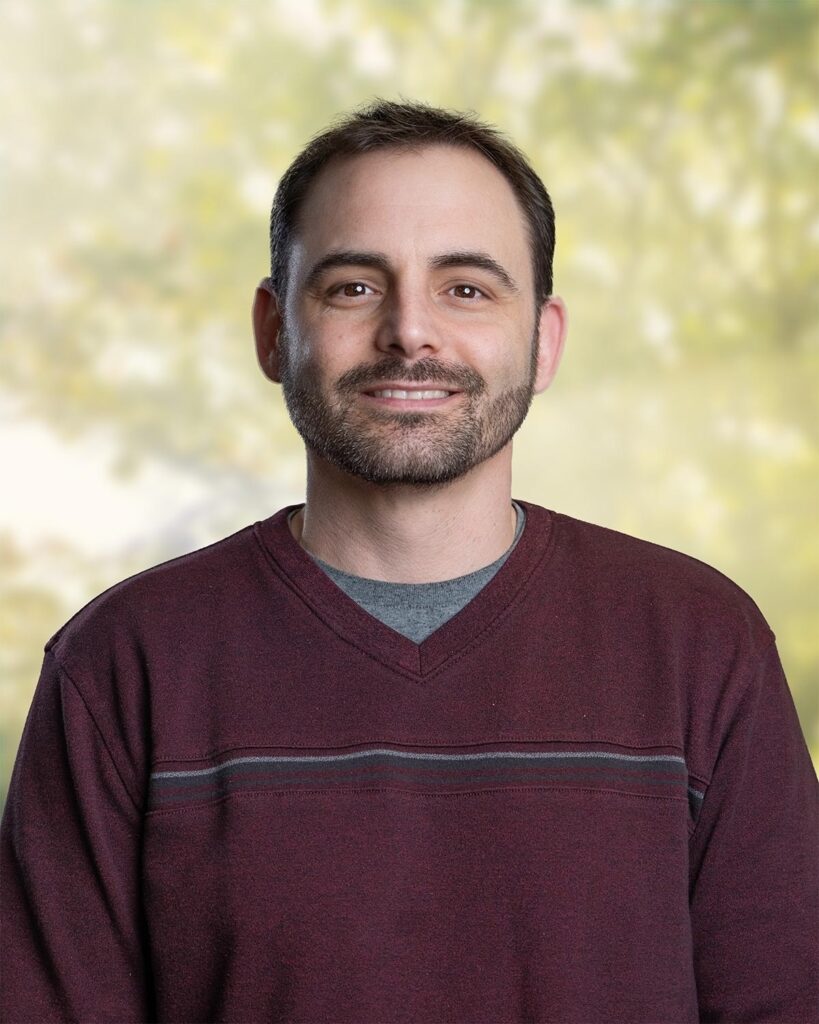
Josh Camadeca, CARES, CPS-AD, CPS-MH, RCP, CIT (he/him)

Program Director

Josh Camadeca serves as the Program Director at Atlas Behavioral Health, where he oversees organizational workflows, supports program development, and ensures high-quality service delivery across clinical and peer-support departments. In this leadership role, Josh applies both his administrative expertise and his extensive recovery knowledge to strengthen team coordination, improve client care systems, and uphold the agency’s mission of providing accessible, person-centered behavioral health services. Josh is a Certified Addiction Recovery Empowerment Specialist (CARES), a Certified Peer Specialist in Addictive Diseases (CPS-AD), a Certified Peer Specialist in Mental Health (CPS-MH), and a nationally Certified Recovery Coach Professional (RCP). He is currently working on obtaining his Certified Addiction Counseling (CAC) certification through the Georgia Addiction Counselors Association (GACA). With over a decade in sustained recovery from substance use and more than 25 years of personal engagement with mental health therapy, he integrates lived experience with evidence-based recovery support to provide comprehensive peer-driven care. In his direct client work, Josh specializes in recovery coaching and mentoring, supporting individuals in developing personalized pathways to health, wellness, and long-term recovery. He is highly skilled in connecting clients and families with appropriate resources, recovery communities, and supportive services that enhance continuity of care and foster positive treatment outcomes. His clinical focus emphasizes recovery-oriented systems of care, the power of social connection, and the vital role of community integration. Josh’s strengths center on his ability to build trust, empathy, and empowerment within the therapeutic relationship. He is deeply committed to promoting resilience and helping clients move toward meaningful, self-directed lives in recovery. Outside of his professional work, Josh values healthy leisure and community engagement; his interests in hiking, biking, fitness, sports, and collecting sneakers and streetwear often serve as additional pathways for rapport-building and connection with individuals from diverse cultural backgrounds.

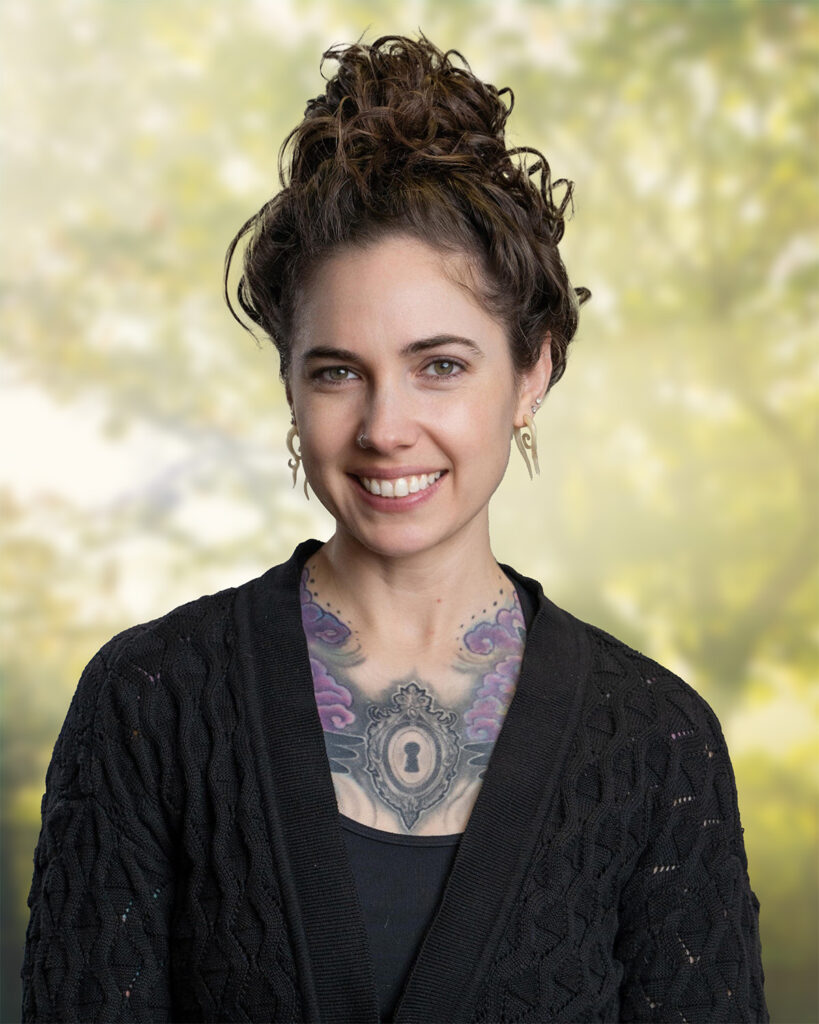
Julie River, M.S., LPC, NCC, CPS-MH, RCP, EMDR Trained (she/her)

Clinical Director

Clinical Director Julie River is the Clinical Director at Atlas Behavioral Health, where she provides leadership in clinical programming, staff development, and evidence-based service delivery. She is a Licensed Professional Counselor (LPC), National Certified Counselor (NCC), Certified Peer Specialist in Mental Health (CPS-MH), Recovery Coach Professional (RCP), and an EMDR-trained psychotherapist. Julie earned her Bachelor of Science in Human Services from Kennesaw State University and her Master of Science in Clinical Mental Health Counseling from Capella University. She specializes in the treatment of trauma, addictions, adoption-related issues, and identity development. Her clinical approach is postmodern, inclusive, and affirming, with a strong emphasis on the intersectionality of identity and culture. She integrates holistic and systems-based frameworks into her therapeutic modalities, supporting clients in developing deep self-understanding rooted in their formative experiences. With over a decade of experience across the continuum of care, Julie has worked in psychiatric hospitals, wilderness therapy programs, art therapy initiatives, outpatient treatment for addictions and eating disorders, trauma-focused therapy, private practice, and peer support. This diverse background informs her vision for Atlas: to provide evidence-based, client-centered, culturally competent, and identity-affirming care. She is equally committed to the wellbeing of the clinical team, recognizing that staff wellness directly impacts the quality of client care. Julie is passionate about psychology, neurobiology, and sociology, and actively pursues ongoing professional development in these fields. Outside of her clinical work, she enjoys training for marathons and ultramarathons, international travel, and exploring new cultures through hiking and meaningful connection with others.