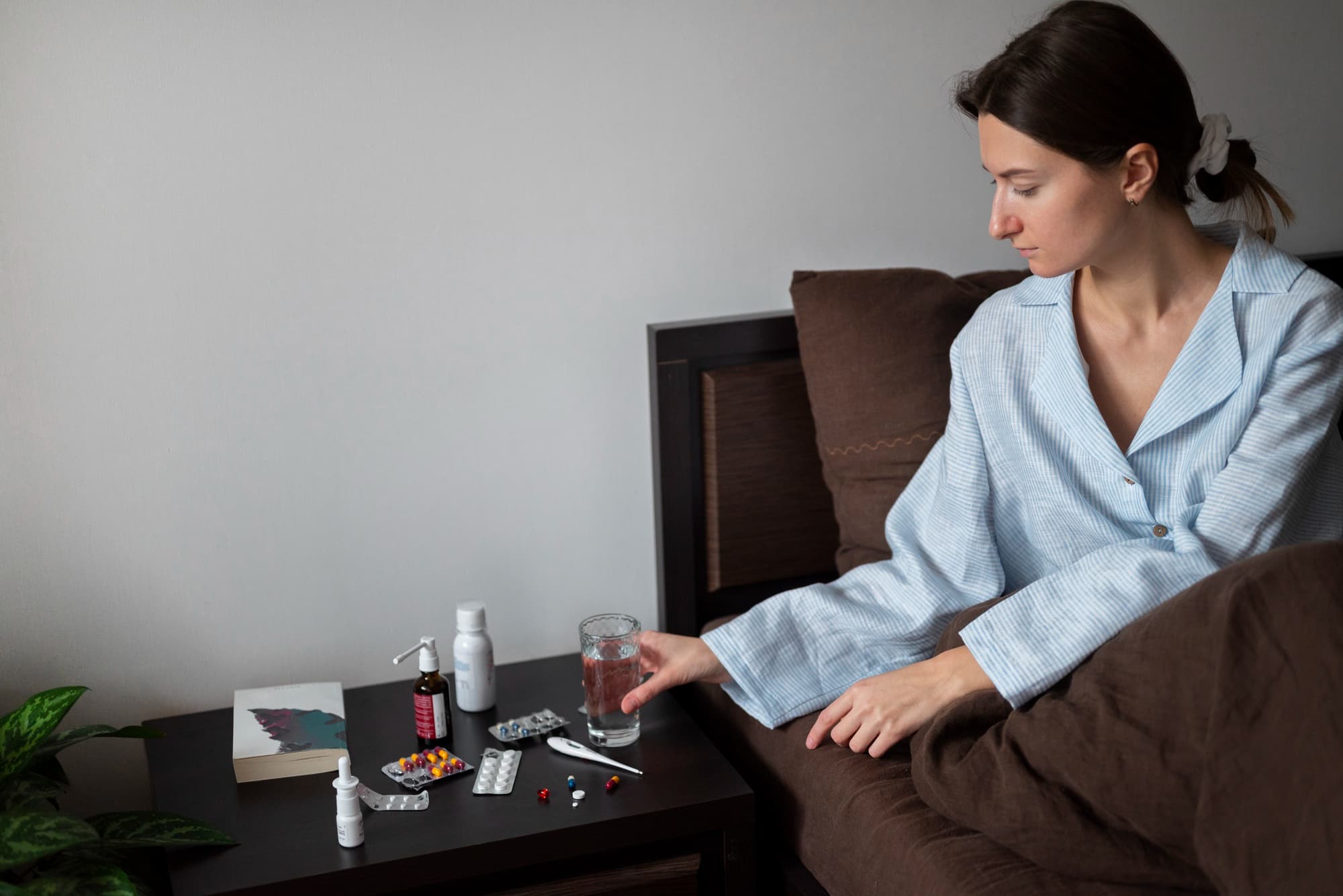
Adult addiction affects every aspect of life, from health and emotions to relationships and career stability. Prolonged use of alcohol, opioids, or stimulants can change brain chemistry, intensifying cravings and dependence. Acknowledging the impact of addiction is a crucial first step toward healing. At Atlas Behavioral Health, our Adult Addiction Treatment Center offers comprehensive, evidence-based programs designed specifically for adults, providing structured care, personalized support, and strategies for lasting recovery.
Signs You May Need Professional Help
Adult addiction can manifest through changes in mood, social withdrawal, neglect of responsibilities, and physical symptoms like fatigue or weight fluctuations. Other indicators include repeated failed attempts to quit, legal or financial issues related to substance use, and persistent cravings. Early intervention with adult substance abuse treatment improves the likelihood of successful recovery and reduces complications associated with prolonged substance use.
Comprehensive Assessment and Personalized Treatment Planning
Every adult seeking treatment at Atlas Behavioral Health undergoes a detailed assessment to understand the scope of addiction, co-occurring mental health conditions, and lifestyle factors. Clinicians evaluate medical history, substance use patterns, psychological health, and social support systems. This process informs a personalized treatment plan, ensuring that each client receives care tailored to their individual needs, triggers, and recovery goals.
Adult Inpatient Addiction Treatment for Intensive Care
For adults with severe substance dependence, inpatient care provides a structured, supportive environment. Our adult inpatient addiction treatment programs offer 24/7 medical supervision, therapy sessions, and skill-building workshops. Residents benefit from immersive care that minimizes exposure to triggers while fostering a community of support. Inpatient programs are ideal for individuals requiring close monitoring during early recovery stages.
Outpatient Programs for Flexibility and Continuity
Some adults require support while maintaining work, school, or family obligations. Adult outpatient addiction treatment provides structured therapy sessions, group support, and regular check-ins without residential requirements. This model allows clients to practice coping strategies in real-world environments while receiving professional guidance, ensuring continuity of care and gradual reintegration into daily life.
Evidence-Based Therapeutic Approaches
Our adult drug and alcohol rehab programs integrate multiple therapeutic methods to address both addiction and underlying psychological factors:
- Cognitive Behavioral Therapy (CBT) to identify and modify harmful thought patterns
- Dialectical Behavior Therapy (DBT) to manage intense emotions and reduce self-destructive behaviors
- Motivational Interviewing to strengthen commitment to recovery goals
- Group Therapy to build peer support and normalize recovery experiences
Addressing Co-Occurring Mental Health Conditions
Many adults struggling with addiction also face mental health challenges such as anxiety, depression, or trauma-related disorders. Our adult mental health and addiction support programs provide integrated care, combining therapy, medication management, and skill-building to address both substance use and mental health concerns simultaneously. This dual approach enhances recovery outcomes and reduces relapse risk.
Relapse Prevention Strategies for Lasting Recovery
Recovery does not end after completing a program; preventing relapse is critical for long-term success. At Atlas Behavioral Health, clients learn practical strategies to manage cravings, identify early warning signs, and handle high-risk situations. Techniques include stress management, cognitive restructuring, mindfulness exercises, and developing a strong support network. Consistent practice of these strategies empowers adults to maintain sobriety and navigate daily challenges confidently.
Life Skills and Vocational Support
Addiction often disrupts routines, work, and personal responsibilities. Our programs incorporate life skills and vocational support to help adults regain independence and stability. Clients receive guidance on time management, financial planning, workplace communication, and goal-setting. Building these skills alongside therapy fosters self-reliance and reinforces a sense of purpose, which is essential for long-term recovery.
Peer Support and Community Integration
A strong support system is vital for sustained recovery. Atlas Behavioral Health emphasizes peer support through group therapy, alumni networks, and community engagement. Clients connect with others who share similar experiences, exchange coping strategies, and celebrate milestones together. Integrating into a supportive community helps reduce isolation, builds accountability, and strengthens commitment to a sober lifestyle.
Medication-Assisted Treatment Options
When clinically appropriate, medication-assisted treatment (MAT) is offered to support recovery from opioids, alcohol, or other substances. MAT reduces cravings, eases withdrawal symptoms, and stabilizes mood, complementing therapeutic interventions. Our clinicians closely monitor medication use, adjusting plans to ensure effectiveness and minimize side effects.
Family Involvement and Support Networks
Family engagement is a vital part of recovery. Educating loved ones about addiction, treatment expectations, and relapse prevention strategies strengthens the support system at home. Family therapy sessions improve communication, rebuild trust, and encourage accountability, which enhances overall treatment success.
Skill-Building for Sustainable Recovery
Clients learn practical skills to maintain sobriety in daily life. Training includes managing cravings, recognizing triggers, coping with stress, and setting personal and professional goals. Structured routines and accountability measures help adults sustain progress and confidently navigate challenges post-treatment.
Aftercare and Continuing Support
Long-term recovery requires ongoing support. Our aftercare programs provide continued therapy, relapse prevention planning, and community resources. Follow-up sessions and alumni support groups reinforce skills learned in treatment, ensuring a safety net for clients as they transition back to independent living.
Telehealth Services for Flexible Access
To accommodate varying schedules and needs, Atlas Behavioral Health offers telehealth sessions. Remote therapy provides continuity of care, supports relapse prevention, and allows clients to access professional guidance without travel constraints. This approach ensures accessibility and consistency in treatment.
Our Adult Addiction Treatment Center is designed to help you regain control, restore balance, and achieve long-term wellness. Whether through inpatient support, outpatient therapy, or integrated mental health care, Atlas Behavioral Health provides a comprehensive pathway to recovery. Reach out today to schedule your assessment and start your journey toward a confident, sober life.
FAQs
Q1: What types of adults can benefit from your treatment programs?
Adults struggling with alcohol, opioids, stimulants, or co-occurring mental health conditions benefit from our structured inpatient and outpatient programs.
Q2: What is the difference between inpatient and outpatient care?
Inpatient care provides 24/7 supervision and intensive therapy, while outpatient care allows clients to maintain daily responsibilities with regular therapy sessions and monitoring.
Q3: How is a personalized treatment plan developed?
Clinicians conduct a detailed assessment of substance use patterns, mental health history, and lifestyle factors to design a plan that addresses individual needs and recovery goals.
Q4: Are medications used in treatment?
Yes, when clinically appropriate, medication-assisted treatment can reduce cravings, manage withdrawal, and stabilize mood alongside therapy.
Q5: How long does the program last?
Program length varies based on severity, progress, and individual goals, typically ranging from several weeks to months, with ongoing aftercare support.
Q6: Can family members participate in treatment?
Yes. Family therapy sessions and education help strengthen support networks and improve recovery outcomes.