Recovery from addiction is not a straight line. For many people, the hardest part isn’t wanting to change, it’s finding a treatment approach that truly supports long-term stability. Medication-Assisted Treatment, or MAT, offers a bridge between medical science and emotional healing, giving individuals the tools to regain control over both mind and body.
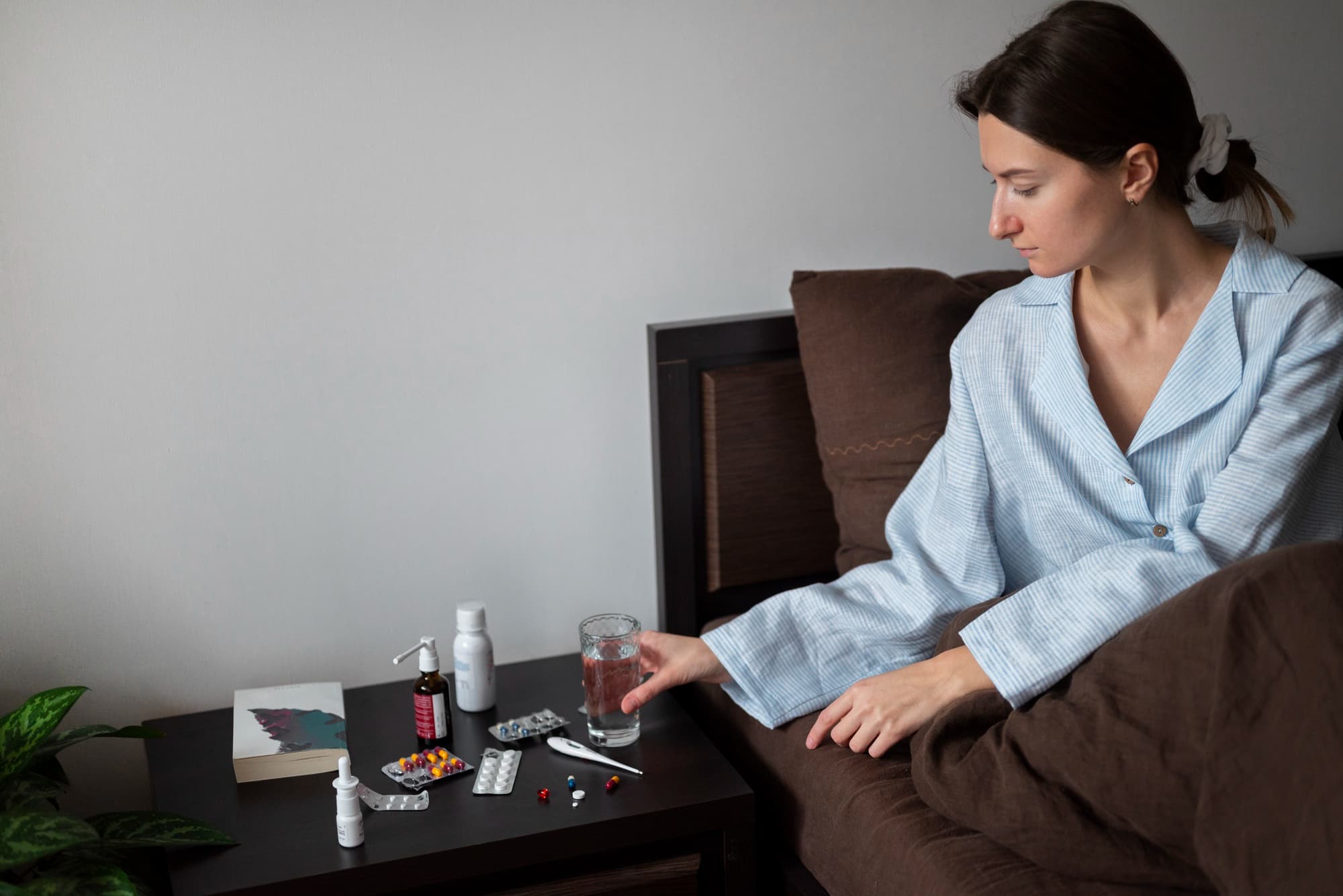
MAT combines FDA-approved medications with behavioral therapies and counseling. These medications are carefully chosen to reduce cravings, ease withdrawal symptoms, and help the brain and body rebalance after substance use. But MAT isn’t just about medication; it’s about giving people the stability they need to focus on deeper recovery work like rebuilding relationships, managing stress, and improving overall well-being.
At Atlas Behavioral Health in Peachtree Corners, MAT is part of a holistic, trauma-informed approach that treats both mental health and substance use disorders together, because lasting recovery often means addressing both.
Why MAT Matters in Addiction Recovery
Addiction changes how the brain processes reward, motivation, and stress. When someone stops using drugs or alcohol, the brain can struggle to regulate itself, leading to intense cravings and emotional distress. This is where MAT plays a crucial role.
By stabilizing brain chemistry, MAT helps reduce the cycle of craving and relapse. It allows individuals to stay engaged in therapy and daily life without being consumed by withdrawal or anxiety. Over time, as the body adjusts, people regain clarity and confidence, creating space for emotional healing to take root.
MAT has been shown to:
- Lower relapse rates
- Reduce the risk of overdose
- Improve engagement in therapy
- Enhance overall mental health outcomes
In essence, MAT supports both physical recovery and emotional rebuilding, helping clients reconnect with themselves and their lives sustainably.
Common Myths About MAT (and the Truth Behind Them)
There’s still a lot of stigma around the idea of using medication in addiction recovery. Many myths stem from misunderstanding what MAT actually does. Here’s the truth behind some of the most common misconceptions:
Myth 1: MAT just replaces one addiction with another.
Truth: Medications like buprenorphine or methadone don’t cause a “high.” They stabilize brain chemistry and reduce cravings, helping people function normally without withdrawal.
Myth 2: You can’t be truly sober if you use medication.
Truth: Recovery isn’t about rejecting medical help, it’s about building a healthy, fulfilling life. MAT supports that by addressing biological needs so individuals can focus on growth and healing.
Myth 3: MAT is only for severe addiction.
Truth: MAT can benefit people at different stages of recovery. Some start early in detox, others after relapse, and some integrate it as part of long-term care.
Myth 4: MAT is a short-term fix.
Truth: There’s no one timeline for treatment. Some people taper off gradually, while others use it longer-term; the goal is stability and safety, not speed.
Myth 5: Therapy isn’t needed if you take medication.
Truth: Medications treat symptoms, not the root causes. Combining MAT with therapy and support groups leads to the best outcomes for lasting recovery.
The Proven Benefits of MAT
Medication-Assisted Treatment has decades of research supporting its effectiveness. Studies show that individuals who participate in MAT programs are more likely to remain in treatment and less likely to relapse compared to those who do not receive medication support.
At its core, MAT helps people reclaim stability. Clients often notice better sleep, improved mood, and a reduction in anxiety or depression. As their physical symptoms subside, they’re able to engage more fully in therapy, repair relationships, and focus on their goals.
MAT also plays a critical role in reducing overdose deaths, especially for individuals recovering from opioid addiction. By maintaining consistent brain function and minimizing relapse triggers it provides a safety net during one of the most vulnerable stages of recovery.
Recovery becomes more sustainable, not just possible.
MAT in Dual Diagnosis Treatment
For people with both mental health disorders and substance use issues, MAT offers additional benefits. Many individuals with depression, anxiety, or trauma turn to substances as a form of coping. Once substance use stops, those underlying emotions can resurface with intensity.
MAT helps regulate mood and reduce the emotional distress that often fuels relapse. When paired with therapy modalities such as DBT, CBT, or EMDR, it creates a balanced path forward, addressing both the psychological and biological layers of recovery.
At Atlas Behavioral Health, dual diagnosis care means every treatment plan is integrated. Clinicians monitor medication, therapy progress, and mental health symptoms together, ensuring every part of recovery moves in sync.
What MAT Looks Like at Atlas Behavioral Health
Every recovery journey at Atlas begins with understanding the person, not just their diagnosis. Before starting MAT, each client completes a comprehensive medical and psychological assessment. This allows the clinical team to choose the safest and most effective medication based on individual needs and health history.
Treatment plans may include medications like buprenorphine, methadone, or naltrexone, combined with individual therapy, group sessions, and ongoing medical supervision. Throughout the process, clients receive compassionate care from a multidisciplinary team, including psychiatrists, therapists, and case managers.
MAT is available across all levels of care, from Partial Hospitalization (PHP) and Intensive Outpatient (IOP) to Outpatient (OP) support. Each step is designed to empower clients to take ownership of their healing while having consistent professional guidance.
The environment at Atlas is stigma-free, a place where progress is celebrated and clients are reminded that recovery is not a test of willpower, but a process of rebuilding life on new, stable ground.
Is MAT Right for You?
Medication-Assisted Treatment isn’t the same for everyone, and that’s okay. For some, it’s a vital stepping stone in early recovery; for others, it becomes part of long-term management. What matters is finding the right balance of medication, therapy, and support.
During an intake assessment at Atlas Behavioral Health, clinicians help determine if MAT aligns with your goals, health, and recovery stage. The goal is to find what works, safely, effectively, and without judgment.
If you’ve struggled with cravings, repeated relapse, or emotional distress during recovery, MAT may offer the stability you need to finally move forward. If you’ve been searching for a path that truly supports your recovery, Medication-Assisted Treatment at Atlas Behavioral Health offers evidence-based care guided by compassion and expertise. Our team in Peachtree Corners helps you rebuild life with safety, structure, and hope.
Reach out today to begin your journey toward long-term recovery, because you deserve a future that feels stable, fulfilling, and free.
FAQs
Is MAT safe?
Yes. MAT uses FDA-approved medications prescribed and monitored by licensed clinicians to ensure safety and proper dosing.
Can I stop taking MAT medications?
Only under medical supervision. Stopping abruptly can trigger withdrawal or relapse, so tapering is done gradually and safely.
Does MAT work for alcohol addiction?
Yes. Medications like naltrexone, acamprosate, and disulfiram are effective in supporting alcohol use disorder recovery.
Will I feel “high” on MAT?
No. These medications don’t cause intoxication; they restore balance to brain chemistry without euphoric effects.
Is MAT covered by insurance?
Most major insurance plans, including those accepted at Atlas Behavioral Health, cover MAT as part of addiction treatment programs.