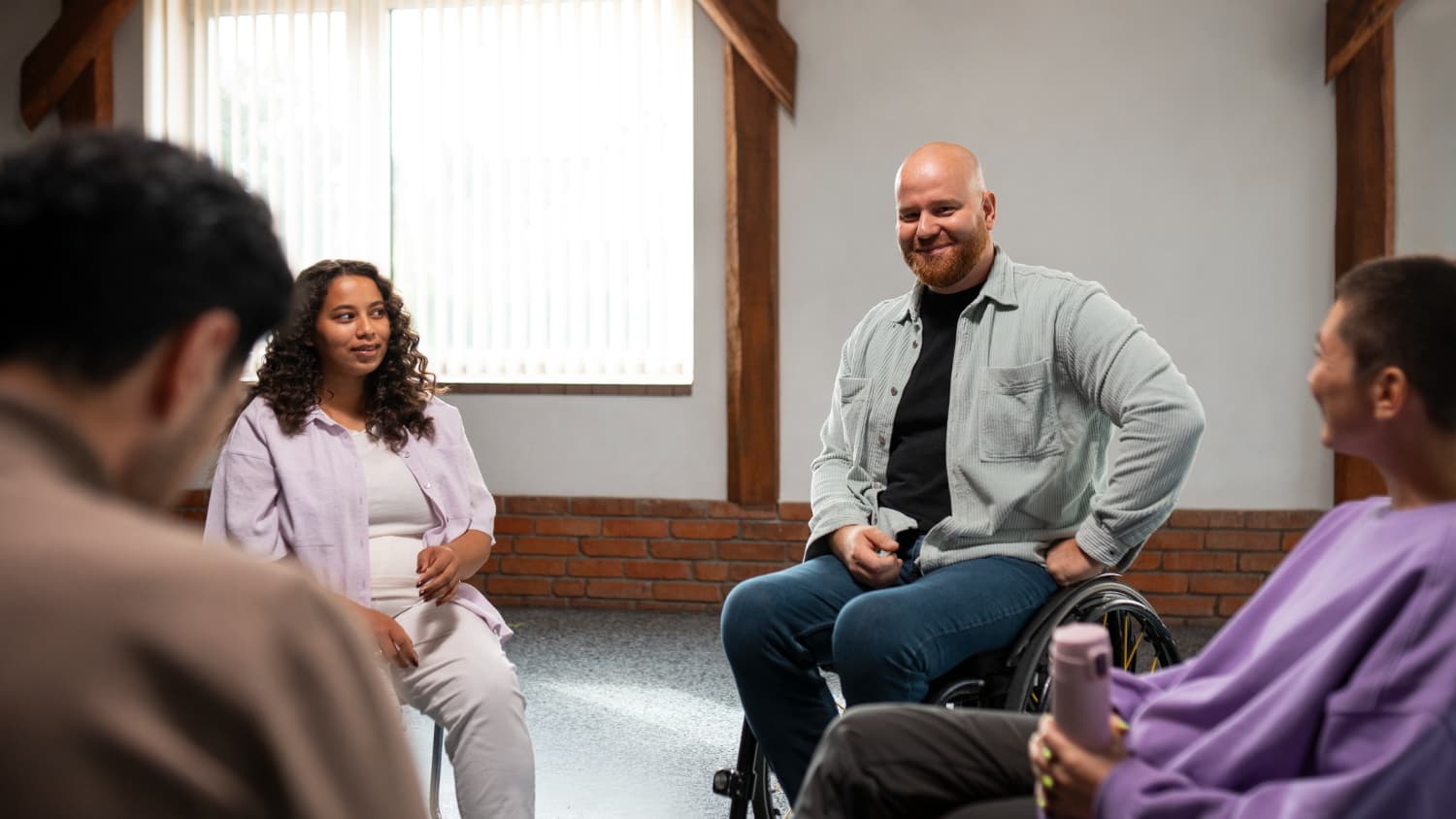
You can talk about a problem for months and still feel stuck in the same place. Some experiences live in the body more than the mind, and talking alone does not always reach them. At Atlas Behavioural Health, we often introduce experiential counseling exactly when talk therapy has hit this kind of wall.
What Is Experiential Counseling
This is a therapeutic approach that uses action, movement, and real-time experience instead of relying only on conversation. Rather than discussing a feeling from a distance, you work through it as it shows up. This shift changes what happens in a session, since you are responding to something happening now instead of recalling something from the past. The therapist guides this process closely, so it stays structured and safe.
This might involve role play, guided movement, art, or structured exercises that bring an emotional pattern into the room. The goal is to access feelings and reactions that words alone often miss. Many people find that a pattern they could describe accurately still felt distant until they experienced it directly in session. It is built around closing that gap.
How Does Experiential Counseling Differ From Traditional Talk Therapy
Traditional talk therapy relies on describing thoughts and feelings after the fact. It works with what is happening right now, in the session itself. This difference changes the pace of insight, since reactions surface in real time rather than being reconstructed from memory. Your therapist can respond directly to what emerges instead of working only from your account of it.
This distinction matters because some patterns do not show up clearly through description. A person might explain a conflict calmly in words, then reveal a very different reaction once asked to reenact it. Experience-based therapy captures that gap directly, often within a single session. This makes it a useful complement to therapy built primarily around conversation.
Core Experiential Therapy Techniques
Several experiential therapy techniques show up across different treatment settings, each suited to a different kind of emotional work. Your therapist selects specific techniques based on what you are working through and how you respond to direct experience. Some people connect more with movement, while others respond more strongly to art or role play. The techniques below cover the most common approaches you are likely to encounter.
Role Play and Psychodrama
Role play lets you step into a difficult conversation or memory with guidance from your therapist, testing new responses in a safe setting before facing the real situation.
Art and Expressive Techniques
Art-based work gives you a way to express something before you have language for it, which often surfaces details a purely verbal session would miss.
Movement and Somatic Work
Movement-based techniques focus on how emotion shows up physically, helping you notice tension, posture, or bodily reactions tied to a specific memory or fear.
Why Do Emotions Respond Differently to Experience Than to Talk
Emotions often live in the nervous system, not just in language. This is why simply talking about a fear can leave the underlying reaction untouched, even after repeated conversations about it. The body holds onto certain responses independent of what the mind has already processed intellectually. This is part of why insight alone does not always change how a person reacts.
Experience-based therapy works with this reality directly. By recreating a moment or physical sensation in session, your nervous system gets a chance to respond and reset in real time, rather than being described from a safe distance. This direct engagement often produces change that discussion alone has not reached. It gives the body a new experience to draw from, not just a new explanation.
Experiential Therapy Benefits for Long-Term Change
The experiential therapy benefits that stand out most involve depth and speed. Because this approach engages emotion directly, insights often surface faster than they would through discussion alone. This does not mean the work feels rushed. It means the material reaches the surface sooner, giving you more time to work through it fully.
Clients frequently report that a single experiential session brings clarity that months of talk therapy had not reached. This does not replace traditional therapy, but it often accelerates it. Combining both approaches tends to produce more complete and more durable change. Neither one alone reaches every part of the pattern being addressed.
Can Experiential Counseling Help With Trauma and Addiction
This is often used alongside trauma and addiction treatment, since both conditions frequently involve reactions stored outside conscious memory. Traditional conversation can circle a trauma response without fully reaching it. The body often reacts to a trigger before the mind has time to explain what happened. This is part of why direct experiential work fits naturally alongside trauma-focused care.
By working through the body and direct experience, this approach helps release patterns that talking alone has not resolved. This makes it a valuable addition within a broader dual diagnosis rehab setting, where mental health and substance use are treated together. Addressing both the emotional and physical layers of a pattern supports more complete recovery. It also reduces the chance that an unresolved reaction resurfaces later as relapse.
What Experiential Therapy Activities Look Like in Practice
Experiential therapy activities vary depending on your goals and comfort level, but they generally follow a similar structure. Your therapist chooses an activity based on what pattern needs attention and how you respond to direct engagement. Some activities happen individually, while others work best in a group setting. Consider a few common examples below.
- Guided role play addressing a specific relationship or conflict
- Structured movement exercises tied to a particular emotional pattern
- Art or expressive exercises used to surface unspoken material
- Group-based experiential exercises within a treatment setting
- Nature or outdoor-based activities used to process stress and emotion
When Should You Consider Experiential Counseling
It is worth considering when talk therapy alone has plateaued, or when a feeling keeps surfacing without full resolution. It also fits well for people who process experience more through action and sensation than through verbal reflection. If conversation has helped you understand a pattern without actually shifting it, this approach is often the missing piece. It works best when introduced at the right point in your treatment, not simply added on without a clear purpose.
Experience-based therapy offers a path toward the parts of an experience that conversation alone does not always reach. It brings emotion into the room directly, rather than asking you to describe it from memory. For many people, this shift in approach is what finally moves stuck patterns forward. If talk therapy has taken you partway and left something unresolved, experiential counseling may be the next step worth exploring.
Reach out to us at Atlas Behavioural Health to find out whether experiential counseling fits where you are in your recovery.
FAQs
Is experiential counseling the same as art therapy?
Art therapy is one form of experience-based therapy, but the broader approach also includes role play, movement, and other techniques that engage direct experience rather than only visual expression.
Does experiential counseling replace traditional talk therapy?
No, it typically works alongside talk therapy, adding a direct experiential layer to insights that verbal processing has already begun to uncover.
Is experiential counseling appropriate for people without a trauma history?
Yes, it can help with relationship patterns, anxiety, and general emotional processing, not only trauma-specific concerns.
How many sessions of experiential therapy are usually needed?
This varies by individual, though many people notice meaningful shifts within a handful of sessions, since the approach often surfaces material faster than conversation alone.
Is experiential counseling used in group settings?
Yes, many experiential therapy activities happen in group settings, where shared exercises can reveal relational patterns that individual sessions sometimes miss.