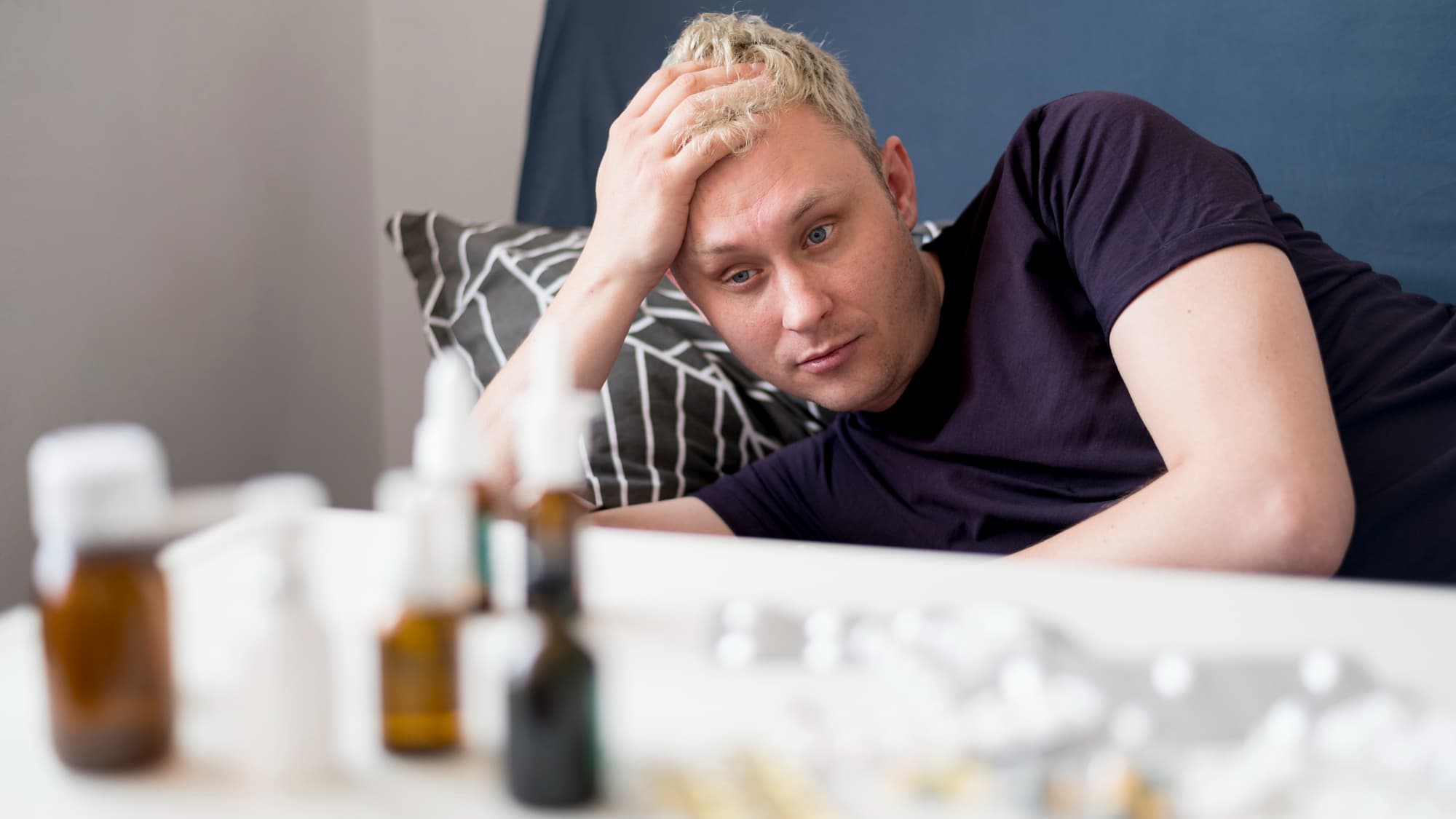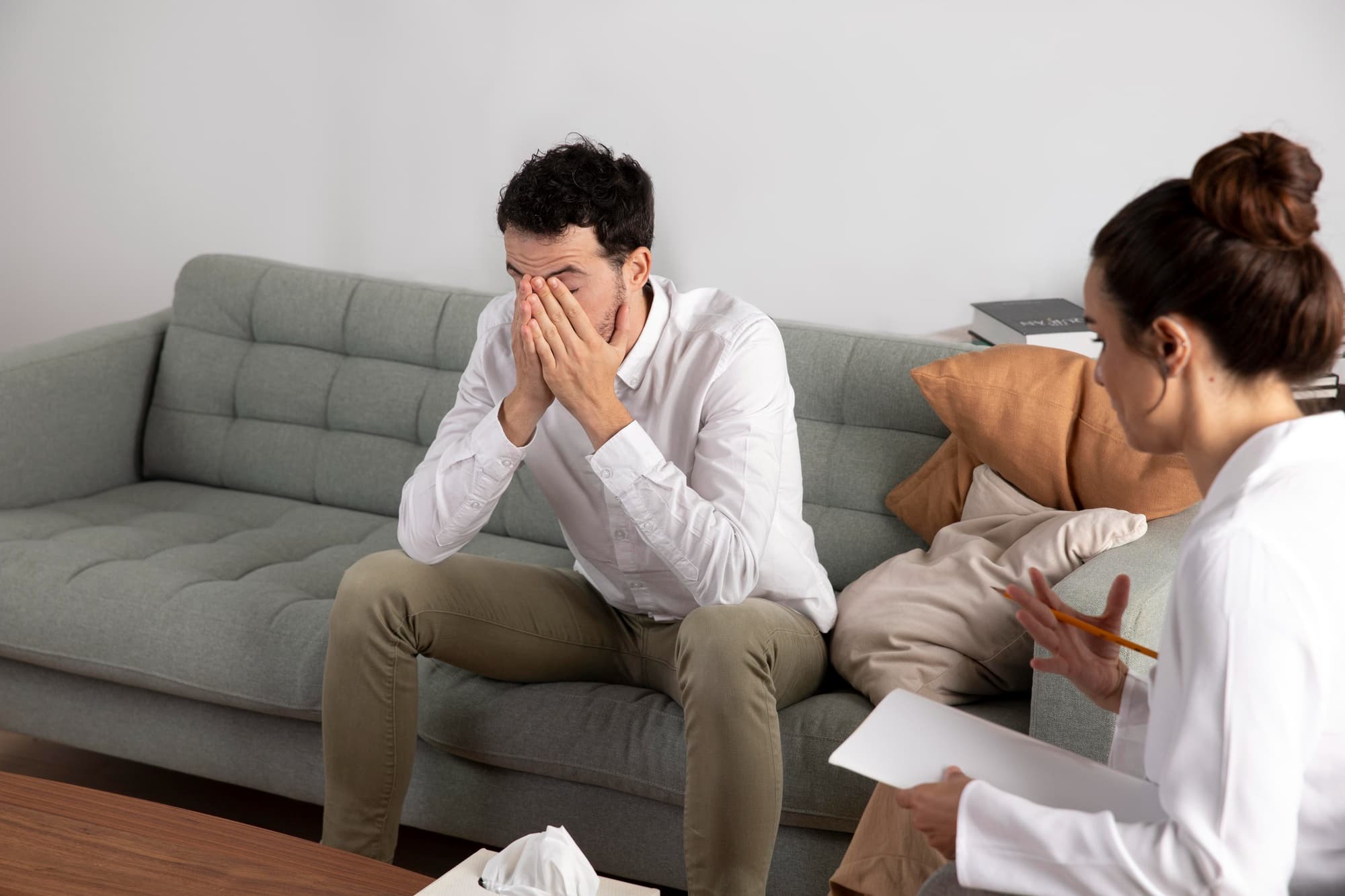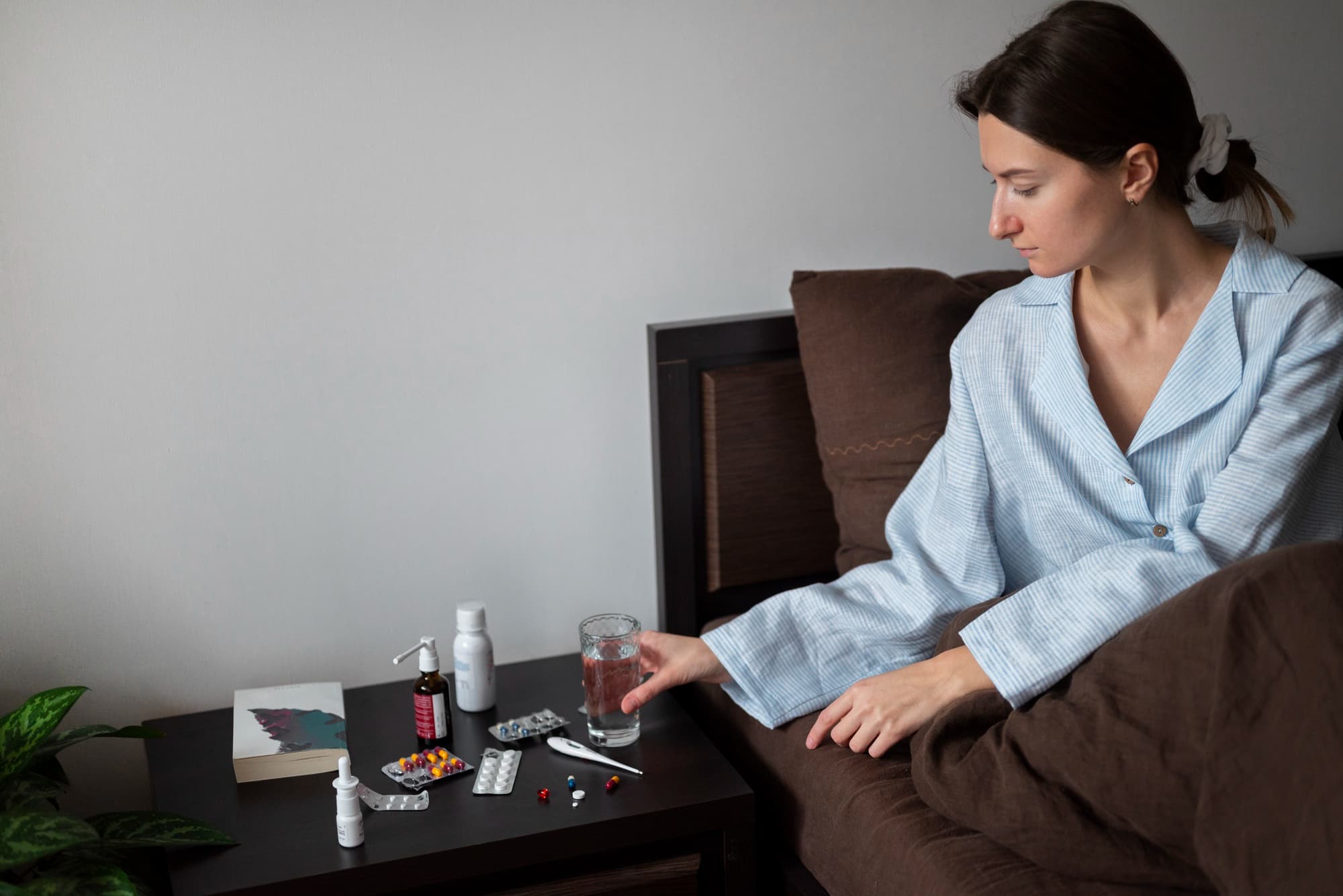
Alcohol use disorder (AUD) affects millions of people around the world. It can harm health, relationships, and everyday life. While recovery is not always easy, treatment options are available. One of the best ways to treat alcohol problems is by using medicines that help people recover. These medicines can reduce cravings, ease withdrawal, and lower the chances of relapse.
Why Medications Matter in Alcohol Use Disorder Treatment
Quitting alcohol can be hard, especially for people who have been drinking a lot for a long time. Many people try to quit on their own but struggle with cravings and withdrawal symptoms. Medications can help by making the recovery process safer and easier.
Taking medicine and getting counseling can make it twice as likely that a person will stay sober. This shows how helpful the right support can be.
Benefits of Medication Treatment
- Lowers cravings for alcohol
- Helps prevent relapse
- Makes withdrawal symptoms easier to manage
- Supports long-term recovery
- Works well with counseling and support groups
Common Medications Used for Alcohol Use Disorder
There are several FDA-approved medications for alcohol use disorder. Each one works differently, but they all aim to support recovery. Let’s look at the most common options.
1. Naltrexone
Naltrexone blocks the “feel-good” effects of alcohol. This means drinking is less rewarding, which helps reduce cravings. It is available as a daily pill or a monthly shot.
2. Acamprosate
Acamprosate helps restore the balance of brain chemicals affected by long-term drinking. It is often given to people who have already stopped drinking. It works best for maintaining sobriety rather than stopping drinking at the start.
3. Disulfiram
Disulfiram works by making you feel sick if you drink alcohol. You might get a headache, feel nauseous, or flush. It helps people who really want to stop drinking.
4. Topiramate (Off-label)
Topiramate is not officially approved for alcohol problems, but doctors may still prescribe it. It can lower cravings and help people drink less. Studies show it may work as well as some approved medicines.
Note: These medications should be taken only under the care and supervision of a qualified psychiatrist or healthcare professional, as treatment needs vary for each person.
Combining Medications with Therapy
Medicines help, but they work best with counseling or therapy. Getting better isn’t just about not drinking—it’s also about learning new habits and healthier ways to live.
Some effective therapy options include:
- Cognitive Behavioral Therapy (CBT): Teaches people how to recognize triggers and avoid relapse.
- Motivational Interviewing (MI): Helps people strengthen their motivation to change.
- Support Groups: Groups like Alcoholics Anonymous (AA) offer community support and encouragement.
SAMHSA says people do best in the long run when they use medicine and therapy together.
Who Can Benefit from Medication Treatment?
Not everyone with alcohol use disorder needs medication. But for many, it can be life-changing. People who may benefit include:
- Those who have tried to quit before but relapsed
- People with strong cravings that make it hard to stay sober
- Anyone with severe withdrawal symptoms
- Individuals with health risks from continued drinking
Doctors pick the best medicine based on a person’s health, drinking history, and goals.
Safety and Side Effects
Like all medicines, those for alcohol use disorder can have side effects. Most are mild and can be managed with help from a doctor.
Common Side Effects
- Nausea or stomach upset
- Headaches
- Fatigue
- Trouble sleeping
It is important to talk openly with your healthcare provider. They can help adjust the treatment to fit your needs.
Taking the First Step Toward Recovery
If you or someone you love is struggling with alcohol use disorder, know that you are not alone. Many people recover and go on to live healthy, fulfilling lives. Medicines with support and counseling can help you do better and stay sober for a long time.
At Atlas Behavioral Health in Peachtree Corners, Georgia, we are here to help. We offer help for addiction, alcohol and drug problems, mental health support, and outpatient care. Our trained team uses proven therapies and personal care to support you in recovery. We believe everyone should get caring, affordable, and easy-to-access help.
Conclusion
Medicines can help people stop drinking, feel fewer cravings, and get better. When used with therapy and support from others, they can help people make lasting changes.
We are committed to guiding individuals and families toward better health. Our dedicated team ensures safe, professional, and effective treatment tailored to your needs. Recovery is possible, and we are here to walk that path with you. Want to learn more? Start your journey to recovery by contacting us today.