Vulnerability in Recovery: Why It’s Hard and Why It Heals

Call Atlas Behavioral Health Now For Experiential Therapy

Call today and talk to our team.

Vulnerability in recovery can feel scary. It means being honest about your pain, fears, and mistakes. But it is also how real healing starts. 

At Atlas Behavioral Health, we see every day how openness helps people grow stronger.

This blog will show you why vulnerability in recovery matters and how it can lead to real, lasting change.

What Vulnerability Looks Like in

Vulnerability in recovery means showing up as your real self. That might sound simple, but it is not always easy.

Many people come into treatment after years of hiding pain, pretending to be okay, or numbing their feelings.

Being vulnerable can look like telling the truth in group therapy. It might mean asking for help instead of trying to fix things alone. For some, it is admitting when they feel ashamed, angry, or lost.

At Atlas Behavioral Health, we encourage people to go at their own pace. Whether someone is in one of our treatment programs or living in sober housing, we create a space where it feels safe to be open. Our team listens without judgment.

We believe that healing starts when people feel comfortable enough to be real.

Vulnerability in recovery helps people let go of the masks they have worn for years. Once that happens, it becomes easier to connect, to grow, and to build a life that feels truly yours.

The Common Fear Behind Vulnerability

Why is vulnerability in recovery so difficult? Often, it is fear. Fear of being judged. Fear of being misunderstood. Fear of looking weak.

Many people who struggle with substance use or mental health have been hurt before. They may have learned to keep their guard up. 

Being open felt dangerous, so they learned to hide their true feelings. That survival tactic makes sense, but it can make recovery harder.

It is not unusual to come into treatment feeling like you have to prove something. But at Atlas Behavioral Health, we do not expect perfection. 

We understand that real change starts with being honest, even if that honesty feels uncomfortable at first.

In our therapy programs, clients often tell us they have never had a space where they could be so real. That is not by accident. Vulnerability in recovery requires support. It also requires trust, and most of all, it requires time.

Once people see they can speak their truth and still be accepted, something shifts. They realize vulnerability is not weakness. It is the beginning of real strength.

How Vulnerability Supports Long-Term Growth

Vulnerability in recovery is not just for the early days. It is something that supports long-term growth. 

When someone is open about what is really going on, it becomes easier to break harmful patterns and build better ones. It will definitely help finding a welcoming rehab center that you feel comfortable with.

In our programs at Atlas Behavioral Health, we often see clients open up during group sessions or one-on-one therapy. 

When they do, something powerful happens. Others start to relate. Instead of isolation, there is connection. Instead of shame, there is understanding.

This kind of emotional honesty helps people repair relationships, take ownership of their choices, and feel more in control of their lives. 

It also lays the foundation for trust with peers, therapists, and most importantly, with themselves.

Vulnerability in recovery also helps when life outside of treatment gets hard. Learning to say, “I’m struggling right now,” or “I need support,” can prevent setbacks and keep people on track. No one has to do this alone. For example, many people relapse during the holidays, it can be challenging to tell someone about cravings or relapsing, but it’s the path toward healing.

Healing is not just about stopping a behavior. It is about learning to live in a new way. Vulnerability is what makes that possible.

Small Steps to Practice Vulnerability Safely

If the idea of vulnerability in recovery feels overwhelming, you are not alone. The good news is you do not have to dive in all at once. Small steps matter, and they can lead to big changes.

Start by being honest with yourself. Try journaling, naming your feelings, or simply saying, “I don’t know what I’m feeling right now.” 

Vulnerability is not about having the right words. It is about telling the truth as best you can.

Next, try sharing something real with someone you trust. That might be a therapist, a peer in a group, or even a friend in your sober living house. 

At Atlas Behavioral Health, we make space for these moments. We support clients as they try new ways of connecting, without pressure.

Vulnerability in recovery will look different for everyone. What matters is that it is real. Over time, these small acts of openness build self-confidence

They remind you that you are not alone and that your story is worth sharing.

Why Vulnerability Leads to Empowerment

Vulnerability in recovery does not just help you feel better. It helps you grow. When you allow yourself to be seen, even with flaws and fears, you stop carrying the weight of pretending. That is powerful.

At Atlas Behavioral Health, we see vulnerability as a strength. In our outpatient services and aftercare programs, clients learn to take ownership of their story. 

They begin to speak from a place of truth, not fear. That honesty becomes the fuel for change.

The more someone practices being real, the more confident they become. They stop waiting for others to define their worth. 

They start setting boundaries, making decisions, and rebuilding relationships with clarity and courage.

Empowerment comes from within. But it often begins with letting others in. Vulnerability in recovery is how people move from surviving to truly living. 

Once you realize you can be open and still be okay, everything begins to shift.

Healing Starts with Honesty

Vulnerability in recovery is hard, but it is worth it. You do not need to have it all figured out. You just need to be willing to be honest. 

Contact us at Atlas Behavioral Health, we will meet you there and support you as you grow.
FAQ

Frequently Asked Questions

What types of therapy do you offer?

We believe in a personalized, holistic approach to wellness! We utilize many different treatment modalities, combined with the power of the 12 Steps to support you in achieving your goals. We offer three different levels of care, and make recommendations based on individual needs.

We believe in a personalized, holistic approach to wellness! We utilize many different treatment modalities, combined with the power of the 12 Steps to support you in achieving your goals. We offer three different levels of care, and make recommendations based on individual needs.

We believe in a personalized, holistic approach to wellness! We utilize many different treatment modalities, combined with the power of the 12 Steps to support you in achieving your goals. We offer three different levels of care, and make recommendations based on individual needs.

We believe in a personalized, holistic approach to wellness! We utilize many different treatment modalities, combined with the power of the 12 Steps to support you in achieving your goals. We offer three different levels of care, and make recommendations based on individual needs.

We believe in a personalized, holistic approach to wellness! We utilize many different treatment modalities, combined with the power of the 12 Steps to support you in achieving your goals. We offer three different levels of care, and make recommendations based on individual needs.

We believe in a personalized, holistic approach to wellness! We utilize many different treatment modalities, combined with the power of the 12 Steps to support you in achieving your goals. We offer three different levels of care, and make recommendations based on individual needs.

Related Articles

Adult Addiction Treatment Center for Long-Term Recovery

Why Trauma-Informed Addiction Treatment at Atlas Behavioral Health Leads to True Recovery

Experiential Therapy for Addiction Recovery

How Experiential Therapy for Addiction Recovery Helps

Initiate your voyage towards positive transformation

Connect with us today to begin your journey.

Verify Your Insurance & Get Access To Treatment

You can get insurance coverage in as little as 5 minutes!

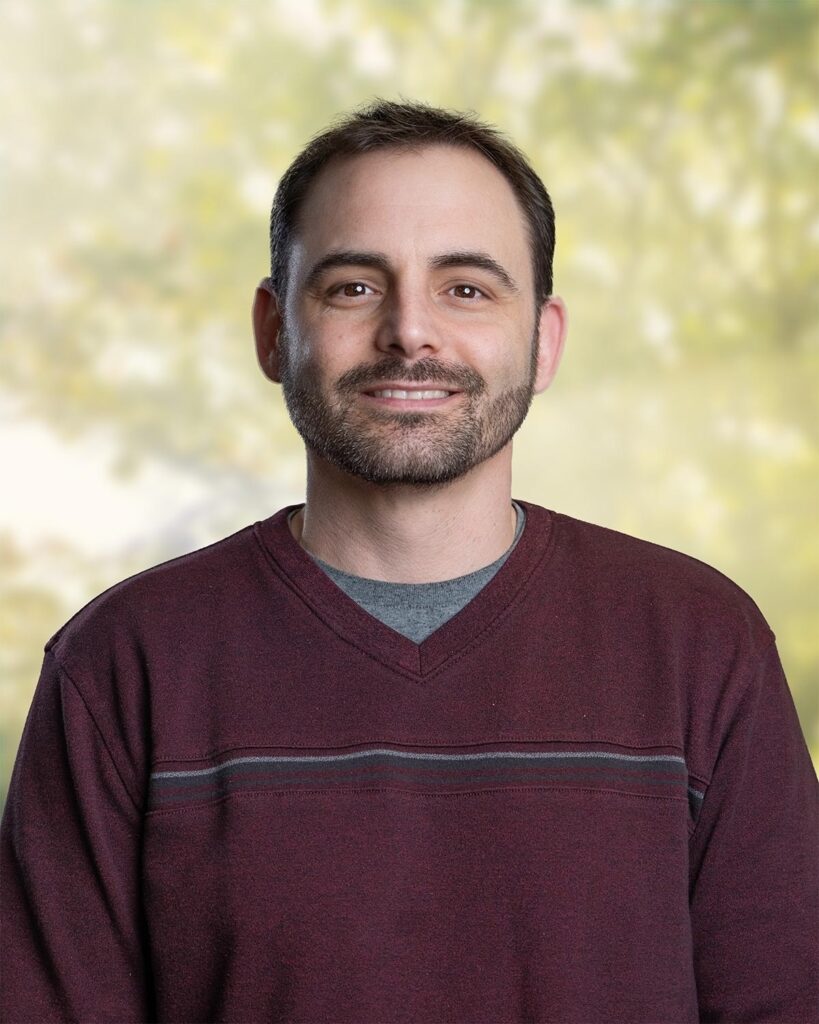
Josh Camadeca, CARES, CPS-AD, CPS-MH, RCP, CIT (he/him)

Program Director

Josh Camadeca serves as the Program Director at Atlas Behavioral Health, where he oversees organizational workflows, supports program development, and ensures high-quality service delivery across clinical and peer-support departments. In this leadership role, Josh applies both his administrative expertise and his extensive recovery knowledge to strengthen team coordination, improve client care systems, and uphold the agency’s mission of providing accessible, person-centered behavioral health services. Josh is a Certified Addiction Recovery Empowerment Specialist (CARES), a Certified Peer Specialist in Addictive Diseases (CPS-AD), a Certified Peer Specialist in Mental Health (CPS-MH), and a nationally Certified Recovery Coach Professional (RCP). He is currently working on obtaining his Certified Addiction Counseling (CAC) certification through the Georgia Addiction Counselors Association (GACA). With over a decade in sustained recovery from substance use and more than 25 years of personal engagement with mental health therapy, he integrates lived experience with evidence-based recovery support to provide comprehensive peer-driven care. In his direct client work, Josh specializes in recovery coaching and mentoring, supporting individuals in developing personalized pathways to health, wellness, and long-term recovery. He is highly skilled in connecting clients and families with appropriate resources, recovery communities, and supportive services that enhance continuity of care and foster positive treatment outcomes. His clinical focus emphasizes recovery-oriented systems of care, the power of social connection, and the vital role of community integration. Josh’s strengths center on his ability to build trust, empathy, and empowerment within the therapeutic relationship. He is deeply committed to promoting resilience and helping clients move toward meaningful, self-directed lives in recovery. Outside of his professional work, Josh values healthy leisure and community engagement; his interests in hiking, biking, fitness, sports, and collecting sneakers and streetwear often serve as additional pathways for rapport-building and connection with individuals from diverse cultural backgrounds.

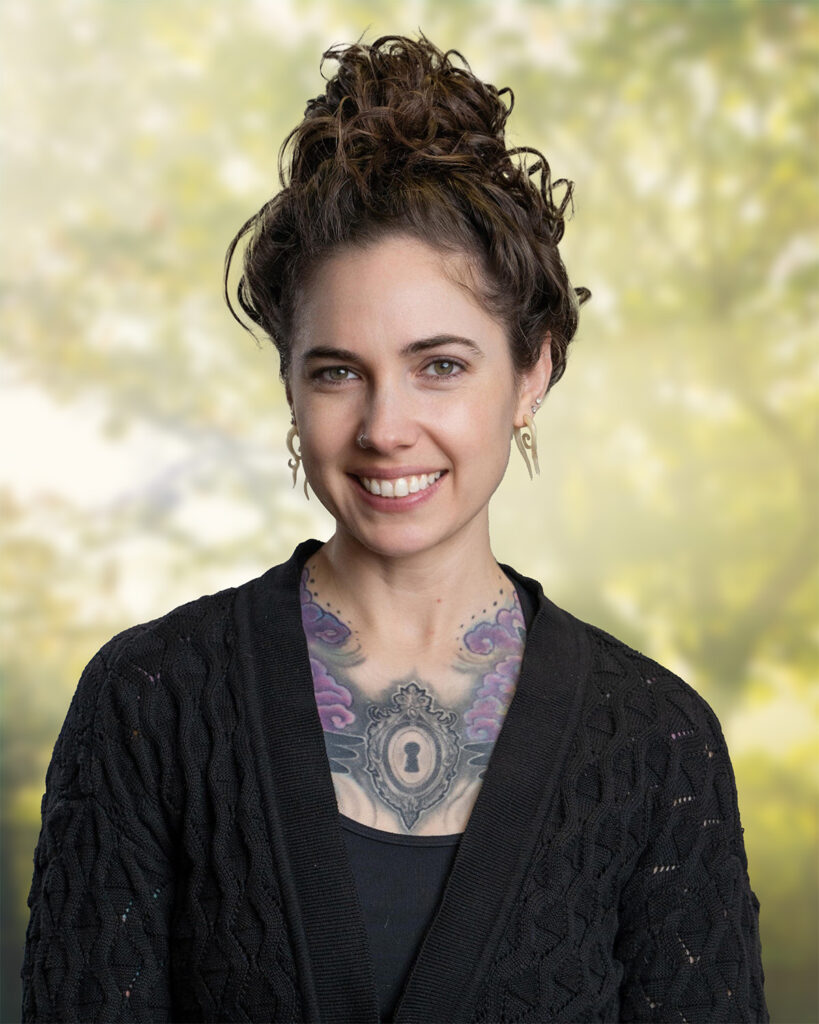
Julie River, M.S., LPC, NCC, CPS-MH, RCP, EMDR Trained (she/her)

Clinical Director

Clinical Director Julie River is the Clinical Director at Atlas Behavioral Health, where she provides leadership in clinical programming, staff development, and evidence-based service delivery. She is a Licensed Professional Counselor (LPC), National Certified Counselor (NCC), Certified Peer Specialist in Mental Health (CPS-MH), Recovery Coach Professional (RCP), and an EMDR-trained psychotherapist. Julie earned her Bachelor of Science in Human Services from Kennesaw State University and her Master of Science in Clinical Mental Health Counseling from Capella University. She specializes in the treatment of trauma, addictions, adoption-related issues, and identity development. Her clinical approach is postmodern, inclusive, and affirming, with a strong emphasis on the intersectionality of identity and culture. She integrates holistic and systems-based frameworks into her therapeutic modalities, supporting clients in developing deep self-understanding rooted in their formative experiences. With over a decade of experience across the continuum of care, Julie has worked in psychiatric hospitals, wilderness therapy programs, art therapy initiatives, outpatient treatment for addictions and eating disorders, trauma-focused therapy, private practice, and peer support. This diverse background informs her vision for Atlas: to provide evidence-based, client-centered, culturally competent, and identity-affirming care. She is equally committed to the wellbeing of the clinical team, recognizing that staff wellness directly impacts the quality of client care. Julie is passionate about psychology, neurobiology, and sociology, and actively pursues ongoing professional development in these fields. Outside of her clinical work, she enjoys training for marathons and ultramarathons, international travel, and exploring new cultures through hiking and meaningful connection with others.